As we navigate through 2026, health and wellness have evolved beyond restrictive crash diets and extreme meal plans. Modern nutrition science emphasizes sustainability, mindful eating, intuitive nutrition, and gut health. Eating healthy is no longer about eliminating entire food groups; it is about building a balanced, harmonious relationship with food that nourishes both mind and body.
🔔 Don't miss our latest updates!
Tap the bell icon at the top of this channel to turn on notifications.
In our fast-paced modern lifestyle, adopting simple yet powerful dietary habits can dramatically boost your energy levels, mental clarity, and long-term immunity. In this comprehensive guide, we will explore the top healthy eating habits you should adopt in 2026, backed by nutritional science and practical daily routines. To complement your lifestyle journey, explore our Health & Nutrition Tips Guide.
1. Practicing Mindful & Intuitive Eating (No Screens Allowed)
One of the most destructive habits of the modern age is distracted eating—eating while watching television or scrolling through smartphones. When your brain is occupied with screen content, it fails to process satiety signals from your stomach, leading to overeating and poor digestion.
- The 80% Full Rule (Hara Hachi Bu): Adopt the traditional Japanese habit of stopping your meal when you feel 80% full. This gives your brain time to register fullness.
- Chew Slowly: Aim to chew each bite 20 to 30 times. Chewing initiates salivary enzyme production, which simplifies the digestive workload on your stomach.
- Engage Your Senses: Observe the texture, aroma, and colors of your food. Mindful eating improves metabolic efficiency.
To learn how pure, chemical-free food enhances gut health, read our article on Organic Farming and Natural Diets.
2. Prioritizing Gut Health & Microbiome Diversity
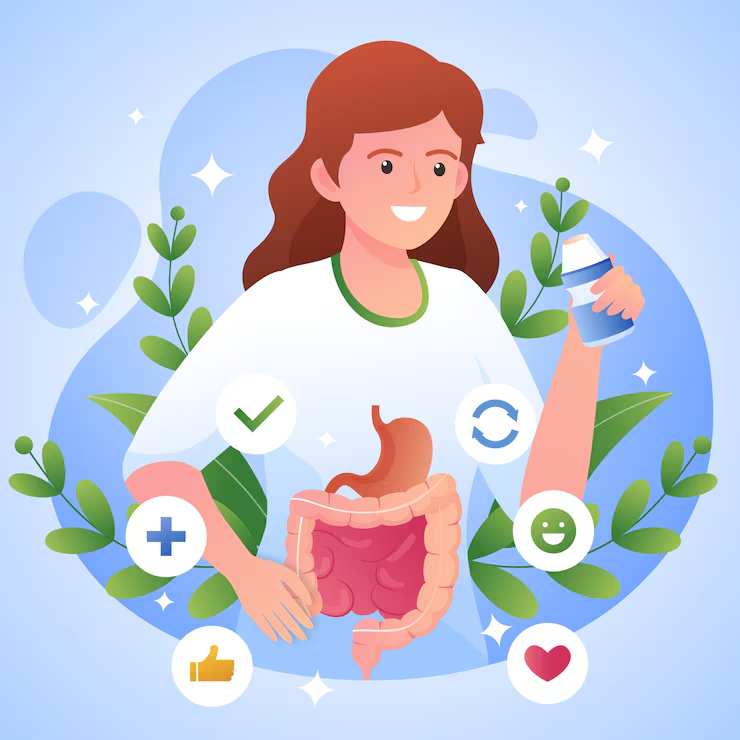
In 2026, gut health remains at the forefront of preventive medicine. Your gut microbiome controls over 70% of your immune system and directly influences your mood via the gut-brain axis.
- Eat 30 Different Plants a Week: Diversify your diet by incorporating various vegetables, fruits, nuts, seeds, pulses, and whole grains.
- Include Fermented Foods Daily: Consume natural probiotics like homemade curd, buttermilk, kimchi, or fermented rice water to flourish healthy gut bacteria.
- Prebiotic Fiber: Feed your good bacteria with prebiotic-rich foods like garlic, onions, oats, and bananas.
For a warm, gut-friendly evening drink, check out our step-by-step Homemade Mix Vegetable Soup Recipe.
3. Smart Hydration & Mindful Beverage Choices
Proper hydration goes far beyond drinking plain water; it involves maintaining electrolyte balance and eliminating liquid sugars that cause silent inflammation.
- Ditch Ultra-Processed Drinks: Replace packaged juices, energy drinks, and diet sodas with herbal teas, coconut water, or warm lemon water.
- Hydrate Before Meals: Drink a glass of water 30 minutes before your meal to support enzyme activity, but avoid drinking large quantities during or immediately after meals.
- Track Electrolytes: Ensure adequate intake of potassium and magnesium through natural sources like leafy greens and nuts. Refer to global nutrition standards on WHO Nutrition Guidelines.
Combine proper nutrition with simple fitness routines by following our guide on Home Workouts Without Equipment.
4. Embracing Whole Foods & Minimizing Ultra-Processed Foods (UPFs)
Ultra-processed foods containing artificial emulsifiers, refined palm oil, and synthetic flavor enhancers disrupt hormone regulation and cause chronic inflammation.
- Read Ingredient Labels: If a food product contains ingredients you wouldn’t find in a standard home kitchen, avoid it.
- Focus on Single-Ingredient Foods: Base 80% of your diet on intact foods like fresh vegetables, lentils, eggs, nuts, and whole grains.
- Smart Cooking Oils: Switch from refined seed oils to cold-pressed mustard oil, olive oil, or traditional desi ghee in moderation. For food safety insights, visit FSSAI Safety Standards.
For a healthy homemade fast-food alternative, learn How to Make Healthy Pizza at Home.
5. Meal Prepping & Managing Domestic Routines
Unhealthy eating usually happens when you are exhausted and have no healthy options readily available. Meal planning eliminates decision fatigue.
- Weekend Prep: Chop vegetables, soak legumes, and prepare wholesome seed mixes over the weekend.
- Portion Control: Store food in portion-controlled glass containers to maintain fresh nutrition throughout the week.
- Budget Alignment: Planning meals reduces food waste and saves money. Read our tips on Managing Household Monthly Budgets.
Keep your cooking environment clean and hygienic using our Kitchen Chimney Cleaning Guide.
6. Frequently Asked Questions (FAQs)
Q1. What is the most important healthy habit to start with in 2026?
Eliminating screen distractions during meals and eliminating ultra-processed foods are the two most impactful starting steps.
Q2. How many meals should I eat in a day?
Most experts recommend 2 to 3 balanced meals without constant snacking in between to allow your digestive system periods of rest.
Q3. Are crash diets effective for long-term health?
No, crash diets slow down your metabolism and lead to muscle loss. Sustainable lifestyle changes produce permanent results.
Q4. Is eating late at night harmful?
Yes, eating heavy meals late at night disrupts your circadian rhythm and impairs melatonin production, leading to poor sleep quality.
Q5. How can I control sweet cravings after dinner?
Opt for a small piece of dark chocolate, jaggery with fennel seeds, or warm cinnamon tea instead of refined sugar desserts.
Q6. Are frozen vegetables as nutritious as fresh ones?
Yes, flash-frozen vegetables retain most of their vitamins and minerals and are a great convenient option for meal prep.
Q7. How much protein do I need daily?
An average adult needs approximately 0.8 to 1 gram of protein per kilogram of body weight, depending on physical activity levels.
Q8. Is coffee good or bad for daily health?
Moderate coffee consumption (1-2 cups) without added sugar offers antioxidants. Avoid drinking coffee after 2 PM to protect sleep quality.
Q9. How do I start eating healthy on a tight budget?
Focus on local, seasonal vegetables, whole grains, lentils, and eggs, which are highly nutritious yet economical.
Q10. Where can I read more verified health guides?
Explore resources like wikiHow Healthy Eating Guide and medical portals for peer-reviewed nutrition facts.