Smartphones ne pichhle kuch saalon mein bahut tezi se development kiya hai. Pehle mobile phones ka main purpose calling aur messaging tha. Uske baad smartphones ne internet, camera, apps, GPS, social media aur digital payments ko ek hi device mein combine kar diya.
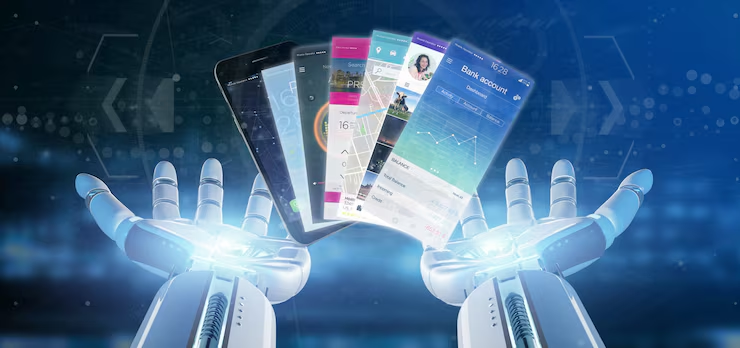
Ab smartphone technology ek naye phase mein enter kar rahi hai: Artificial Intelligence ya AI.
🔔 Don't miss our latest updates!
Tap the bell icon at the top of this channel to turn on notifications.
Aaj ke smartphones sirf commands follow karne wale devices nahi rehna chahte. Mobile companies aur software platforms aise features develop kar rahe hain jo user ke instructions ko better understand kar sakein, information summarize kar sakein, images process kar sakein, scams identify karne mein help karein aur kuch multi-step tasks simplify kar sakein.
Lekin future ke smartphones ko samajhne ke liye ek important distinction zaroori hai: har future prediction guaranteed reality nahi hoti.
Is article mein hum current technology trends aur realistic possibilities ke basis par samjhenge ki future of smartphones kaisa ho sakta hai aur AI mobile technology ko kaise change kar rahi hai.
1. Smartphones Ab Sirf Phones Nahi Rahenge
Future smartphone ko sirf calling device ke roop mein dekhna increasingly difficult ho raha hai.
Aaj ek smartphone already multiple devices ka kaam karta hai:
- Camera
- GPS navigator
- Music player
- Video recorder
- Wallet
- Entertainment device
- Communication tool
- Work device
AI ke development ke saath smartphone ka role aur change ho sakta hai.
Google ne 2026 mein Android ko traditional operating system se ek more intelligent system ki direction mein develop karne ki baat ki hai. Current developments ka focus devices ko user ke context aur intent ko better understand karne mein help dena hai.
Command-Based Phone Se Intelligent Assistance
Traditional smartphone use mein user ko usually manually steps complete karne hote hain.
Example:
- App open karein.
- Required information search karein.
- Options select karein.
- Task complete karein.
AI-powered systems ka long-term goal kuch situations mein in multiple steps ko simplify karna hai.
Google ne Gemini Intelligence ke through select devices par multi-step tasks ko automate karne ki direction mein features introduce kiye hain. Availability device, region, app aur feature ke according different ho sakti hai.
Iska matlab yeh nahi hai ki future smartphone har decision automatically lega. Responsible AI design mein user control important rahega.
2. On-Device AI Smartphone Technology Ka Major Trend Hai
Future smartphones ke sabse important trends mein se ek hai on-device AI.
Traditionally, complex AI processing ke liye information cloud servers tak bheji ja sakti hai. On-device AI mein kuch AI processing directly smartphone ke hardware par ho sakti hai.
On-Device AI Ka Kya Meaning Hai?
Simple words mein, kuch AI tasks phone ke processor aur dedicated AI hardware ki help se directly device par perform kiye ja sakte hain.
Iske potential benefits ho sakte hain:
- Lower latency
- Faster responses for suitable tasks
- Some privacy advantages
- Reduced dependence on constant cloud processing
Lekin iska matlab yeh nahi hai ki future mein cloud completely disappear ho jayega.
GSMA ke 2026 mobile trends analysis ke according, mobile AI ka future likely hybrid direction mein continue karega, jahan on-device aur cloud computing different use cases ke liye combine ho sakte hain.
Hybrid AI Kya Ho Sakta Hai?
Hybrid AI ka basic concept hai ki:
- Kuch tasks device par process hon.
- Kuch complex tasks cloud computing ka use karein.
Future smartphones automatically ya intelligently decide kar sakte hain ki suitable processing approach kya honi chahiye—lekin exact implementation company aur device ecosystem ke according different hoga.
3. AI Assistants Smartphones Ko Kaise Change Karenge?
Voice assistants smartphones mein kaafi time se available hain. Lekin generative AI aur advanced language models ne AI assistants ki capabilities ko change karna start kiya hai.
Modern AI assistants natural language ko better understand karne aur complex requests ko handle karne ki direction mein develop ho rahe hain.
Future Assistant Sirf Questions Ka Answer Nahi Dega
Traditional assistant se aap pooch sakte hain:
“Kal ka weather kya hai?”
Future AI systems potentially more complex requests handle karne ki direction mein ja rahe hain.
For example:
“Mere calendar aur travel details ke basis par ek reminder plan karne mein help karo.”
Ya:
“Is information ko short summary mein organize karo.”
Google ke current Android AI developments mein AI-assisted task automation, web summarization aur form assistance jaise capabilities par kaam ho raha hai. Feature availability select devices aur services par depend karti hai.
Agentic AI Ka Concept
Technology industry mein “agentic AI” term un systems ke liye use hota hai jo user ke goal ke basis par multiple steps coordinate karne ki capability develop karte hain.
Android ke developer ecosystem mein AppFunctions jaise technologies explore ki ja rahi hain, jisse apps apni capabilities AI systems ke liye expose kar saken.
Lekin yeh technology abhi evolving stage mein hai. Isliye ise universal feature samajhna sahi nahi hoga.
4. Smartphone Camera Aur AI Ka Combination
Camera smartphone buying decisions ka important factor ban chuka hai.
Future smartphone cameras mein hardware ke saath software aur AI ka role aur increase ho sakta hai.
Computational Photography
Modern smartphones already software processing ka use karte hain.
AI future mein help kar sakta hai:
- Image enhancement
- Subject recognition
- Low-light processing
- Photo organization
- Searchable photo libraries
AI-based photo processing useful ho sakti hai, lekin users ko edited aur AI-generated content ke difference ko samajhna bhi important hoga.
Photo Search Aur Organization
Future smartphones mein natural language ke through photos search karna easier ho sakta hai.
Google aur Android ecosystem ke current developments mein AI assistants aur apps ke beech deeper integration explore ki ja rahi hai. Google ne examples demonstrate kiye hain jahan an assistant natural-language request ke basis par compatible apps ki functions use kar sakta hai.
AI Editing Ka Responsible Use
AI photo editing powerful tool ho sakta hai, lekin misinformation ka risk bhi create kar sakta hai.
Future mein users ko yeh understand karna hoga:
- Original photo kya hai?
- Edited photo kya hai?
- AI-generated image kya hai?
Digital literacy future smartphone use ka important part ban sakti hai.
5. Future Smartphones Mein Security Aur Privacy Aur Important Hogi
Jitna smartphone intelligent hoga, utni hi security aur privacy important hogi.
Smartphones mein personal information ho sakti hai:
- Photos
- Messages
- Location information
- Financial apps
- Personal documents
AI features context aur information ke saath interact kar sakte hain. Isliye responsible security architecture essential hai.
AI-Powered Security
AI security ko improve karne mein bhi use kiya ja raha hai.
Google ke 2026 Android security updates mein on-device AI aur intelligent protections ka use scam calls aur suspicious app behavior ke against protection improve karne ke liye highlight kiya gaya hai.
Future smartphone security systems suspicious behavior identify karne mein better ho sakte hain.
Lekin AI security perfect nahi hai.
Users ko ab bhi:
- Strong passwords use karne honge.
- OTP protect karna hoga.
- Suspicious links avoid karne honge.
- Unknown apps se careful rehna hoga.
Phone security ke practical steps ke liye Phone Hacking Se Kaise Bache? bhi padhein.
Privacy Aur User Control
AI systems ko useful banane ke liye user information ka responsible handling important hai.
Google ne Gemini Intelligence ke security and privacy approach ke liye three principles highlight kiye hain:
- Explicit user control
- Comprehensive data protection
- Operational transparency
Future AI smartphone experiences mein user ko samajhna hoga ki data ka use kaise ho raha hai aur available privacy controls kya hain.
6. Foldable, Large-Screen Aur New Form Factors
Future smartphone sirf traditional rectangular phone design tak limited nahi ho sakta.
Foldable smartphones already market mein available hain aur large-screen devices ke liye software adaptation increasingly important ho raha hai.
Android 17 ke developer guidance mein large-screen devices aur adaptive design ko major direction ke roop mein highlight kiya gaya hai.
Foldable Phones Ka Potential
Foldable devices ka advantage yeh ho sakta hai ki:
- Compact size mein large screen mil sakti hai.
- Multitasking easier ho sakta hai.
- Entertainment experience improve ho sakta hai.
Lekin foldable phones har user ke liye necessary nahi hain.
Future adoption depend karega:
- Price
- Durability
- Battery life
- Software optimization
Future Form Factors
Technology companies smartphones ke beyond connected devices par bhi kaam kar rahi hain.
Wearables, smart glasses, cars aur laptops ke saath deeper ecosystem integration future mobile experience ka part ban sakta hai.
Google ne 2026 Android announcements mein phone ke beyond watches, cars, glasses aur laptops tak AI experiences expand karne ki direction discuss ki hai.
7. Smartphone Ek Connected AI Ecosystem Ka Part Banega
Future smartphone ka role standalone device se connected ecosystem hub ki taraf develop ho sakta hai.
Aapka phone interact kar sakta hai:
- Smartwatch ke saath
- Wireless earbuds ke saath
- Smart TV ke saath
- Car ke saath
- Laptop ke saath
- Smart home devices ke saath
Cross-Device Experience
Future mein user ek device par task start karke doosre device par continue kar sakta hai.
Example:
Phone par ek document start karein aur laptop par continue karein.
Ya smartwatch notification ke through phone-related information manage karein.
Connected ecosystem ka main goal theoretically devices ko less isolated aur more coordinated banana hai.
AI Context Ko Better Understand Kar Sakta Hai
Future AI experiences multiple devices ke available context ko use karne ki direction mein develop ho sakte hain.
Lekin privacy boundaries aur user permissions extremely important rahengi.
Convenience ke naam par unlimited data access safe approach nahi hai.
8. Future Smartphones Mein Sabse Bada Change Kya Hoga?
Future smartphone ka biggest change shayad sirf faster processor ya better camera nahi hoga.
Sabse bada change smartphone ke use karne ke tareeke mein ho sakta hai.
Aaj user mostly apps open karta hai aur manually actions perform karta hai.
Future mein user increasingly apna intention express kar sakta hai.
Example:
“Mujhe yeh information organize karke do.”
Ya:
“Is topic ka short comparison bana do.”
Compatible AI systems aur apps potentially user ke goal ko complete karne mein help kar sakte hain.
Android ke current development direction mein AI assistants aur applications ke deeper interaction ko explore kiya ja raha hai.
Lekin Human Control Important Rahega
Future AI systems powerful ho sakte hain, lekin important decisions ke liye human judgement necessary rahega.
AI:
- Information organize kar sakta hai.
- Suggestions de sakta hai.
- Tasks simplify kar sakta hai.
Lekin AI output ko blindly trust nahi karna chahiye.
Important information ko verify karna aur final decision carefully lena user ki responsibility rahegi.
AI aur technology ke practical use ko samajhne ke liye Technology Category – Sahi Tarika explore kar sakte hain.
Related Articles
- Phone Hacking Se Kaise Bache? Complete Guide
- Phone Hack Hua Hai Ya Nahi Kaise Check Kare?
- Second-Hand Mobile Kharidne Se Pehle Kya Check Karein?
- Mobile Category – Sahi Tarika
- Technology Category – Sahi Tarika
Frequently Asked Questions
1. Future smartphones mein AI ka kya role hoga?
AI smartphones ko information processing, task assistance, personalization, security aur automation mein help kar sakta hai. Exact features device aur software ecosystem ke according different honge.
2. On-device AI kya hota hai?
On-device AI mein kuch artificial intelligence processing directly smartphone ke hardware par perform hoti hai, instead of every task being processed only in the cloud.
3. Kya future smartphones internet ke bina AI use karenge?
Kuch suitable AI tasks on-device perform ho sakte hain. Lekin complex features aur cloud-based services ke liye internet ki zaroorat ho sakti hai.
4. Hybrid AI kya hai?
Hybrid AI generally on-device aur cloud processing ke combination ko describe karta hai. Different tasks ke liye different computing resources use kiye ja sakte hain.
5. Kya AI smartphones ko automatically control karega?
Future AI systems task automation improve kar sakte hain, lekin responsible systems mein user permissions aur control important hote hain.
6. Kya foldable smartphones future hain?
Foldable smartphones ek important device category hain, lekin yeh guarantee nahi hai ki traditional smartphones replace ho jayenge. Adoption price, durability aur user preference par depend karega.
7. Future smartphones security ko kaise improve karenge?
AI-powered security suspicious behavior aur scams identify karne mein help kar sakti hai. Lekin users ko bhi strong passwords aur safe digital habits follow karni hongi.
8. Kya AI smartphone privacy ke liye risk hai?
AI systems data aur context ke saath interact kar sakte hain, isliye privacy protections, transparency aur user control important hain.
9. Future smartphones ka camera kaisa hoga?
Camera hardware ke saath AI aur computational photography ka role continue to increase ho sakta hai. Image processing aur photo organization improve ho sakte hain.
10. Future smartphone kab aayega?
Future smartphone technology ek single product ke roop mein nahi aati. AI, foldables, security aur connected ecosystems jaise trends gradually develop hote hain.
Conclusion
Future of smartphones ka matlab sirf faster processor, bigger display ya better camera nahi hai.
Real transformation smartphone ke intelligent, connected aur context-aware hone mein ho sakta hai.
Current technology trends dikhate hain ki AI mobile experience ka increasingly important part ban raha hai. On-device AI, hybrid computing, AI assistants, intelligent security aur cross-device integration smartphones ke future ko influence kar rahe hain.
Lekin future ke baare mein realistic rehna bhi important hai. Har concept immediately mass-market product nahi banega, aur features device, region, price aur software support ke according different honge.
Ek baat clear hai: future smartphone sirf ek phone nahi, balki ek intelligent digital assistant aur connected technology ecosystem ka important part ban sakta hai.