
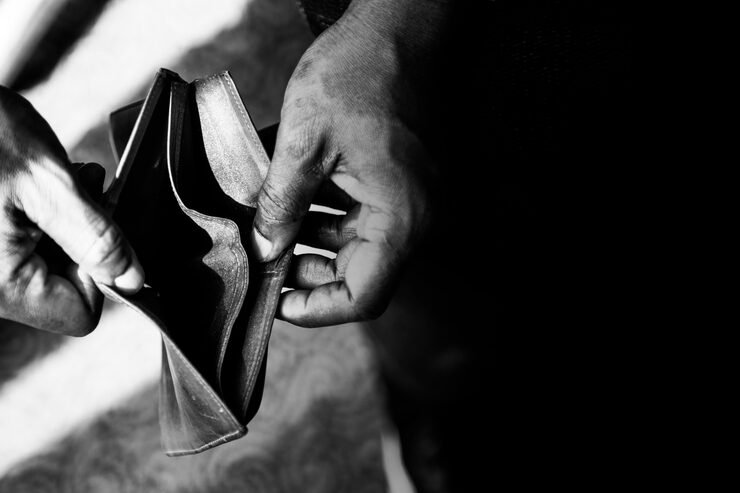
Is guide me hum un common money leaks ko identify karenge jo daily life me unnoticed reh sakte hain aur unhe control karne ke practical tarike dekhenge.
🔔 Don't miss our latest updates!
Tap the bell icon at the top of this channel to turn on notifications.
1. Chhote Daily Expenses Ko Ignore Karna
₹50, ₹100 ya ₹200 ka expense individually bahut bada nahi lagta. Lekin agar ye regularly ho raha hai, to monthly total significant ho sakta hai.
Example ke liye, ₹150 ka unnecessary daily expense 25 din tak ho to ₹3,750 ho jata hai. Isliye small expenses ko ignore karne ke bajaye 30 din tak track karein.
2. Unused Subscriptions
Streaming services, apps, cloud storage, memberships aur other recurring payments kabhi-kabhi automatically renew hote rehte hain, even when aap unhe regularly use nahi karte.
Har month apne bank/card statement me recurring payments check karein. Jo service genuinely use nahi ho rahi, usse cancel ya downgrade karne par consider karein.
3. Impulse Shopping
Discount dekhkar purchase karna hamesha saving nahi hota. Agar aapko product ki zarurat hi nahi thi, to discounted price bhi expense hi hai.
24-hour rule: non-essential purchase ke liye ek din wait karein. Agar next day bhi product genuinely useful lagta hai aur budget me hai, tab purchase consider karein.
4. Food Delivery Aur Frequent Eating Out
Occasional eating out problem nahi hai. Money leak tab banta hai jab convenience ke liye frequent delivery, restaurant orders, beverages aur snacks routine expense ban jayein.
Week ka food budget decide karein. Delivery charges, platform fees aur convenience charges ko bhi total cost me include karein.
5. Credit Card Interest Aur Late Fees
Credit card convenience provide kar sakta hai, lekin unpaid balances par interest aur late charges spending ko expensive bana sakte hain.
Statement ki due date track karein aur repayment capacity se zyada spending avoid karein. Credit ko additional income samajhna financial planning ko risky bana sakta hai.
6. “Sale” Ke Naam Par Extra Shopping
“50% off” ya “Buy 2 Get 1” dekhkar hum kabhi-kabhi woh cheez kharid lete hain jo pehle plan me thi hi nahi.
Sale me purchase karne se pehle teen questions poochein:
- Kya mujhe ye item actually chahiye?
- Kya main ise full price par bhi kharidna chahta?
- Kya iska expense mere monthly budget me hai?
7. Lifestyle Inflation
Income badhne ke saath expenses automatically badhna lifestyle inflation kehlata hai. Salary increase ke baad agar har category ka spending level increase ho jaye, to income badhne ke bawajood savings ratio same ya lower reh sakta hai.
Income increase hone par poori extra amount spend karne ke bajaye ek fixed percentage saving/investment ke liye allocate karna useful ho sakta hai.
8. Personal Aur Business Money Ko Mix Karna
Agar aap freelancer, entrepreneur ya small business owner hain, to personal aur business expenses ko mix karna actual financial picture ko unclear bana sakta hai.
Possible ho to separate accounts aur simple monthly records maintain karein. Sahi Tarika ka Business Karne Ka Tarika guide bhi business income aur expenses tracking par useful information deta hai.
9. Budget Na Banana
Budget ka purpose har rupee ko restrict karna nahi hai. Budget ka purpose ye decide karna hai ki available money ko priorities ke according kaise use karna hai.
Ek simple monthly budget me income, essential expenses, debt payments, savings aur discretionary spending ko separate categories me rakhein.
10. Emergency Fund Ko Ignore Karna
Unexpected medical expense, repair, job gap ya family emergency ke time savings na hone par credit ya loan par dependence badh sakti hai.
Emergency fund ka appropriate size har person ke income, dependents aur expenses par depend karta hai. Apni financial situation ke according gradually emergency savings build karein.
11. Cheap Price Ke Chakkar Me Poor Quality Purchase Karna
Sabse cheap option hamesha cheapest overall option nahi hota. Agar low-quality product jaldi replace karna pade, to total cost higher ho sakti hai.
Important purchases me price ke saath durability, warranty, maintenance aur actual usage ko bhi compare karein.
12. Bank Aur UPI Transactions Review Na Karna
Monthly statements review karne se forgotten subscriptions, duplicate charges aur unusual transactions identify kiye ja sakte hain. Digital payments ke safety tips ke liye Sahi Tarika ka UPI Use Karte Waqt Galtiyan guide bhi dekhein.
Money Leaks Pakadne Ka 30-Day Method
- 30 din tak har expense record karein.
- Expenses ko needs, wants aur avoidable categories me divide karein.
- Recurring payments ki list banayein.
- Top five unnecessary expenses identify karein.
- Next month sirf 2–3 categories me reduction target karein.
- Bachi hui amount ko spending account me chhodne ke bajaye planned savings goal ki taraf direct karein.
Needs vs Wants: Simple Test
Har purchase ko “need” ya “want” label karna perfect system nahi hai, lekin awareness create karta hai. Food, rent, utilities aur essential healthcare generally needs ho sakte hain, jabki entertainment, upgrades aur impulse purchases wants ho sakte hain. Personal circumstances ke according categories change ho sakti hain.
Money Leak Checklist
- Unused subscriptions
- Frequent food delivery
- Impulse shopping
- Unplanned online purchases
- Late payment fees
- Credit card interest
- Unused memberships
- Excessive convenience spending
- Repeated low-quality purchases
- Untracked business expenses
- Unplanned lifestyle upgrades
Frequently Asked Questions
1. Invisible money leak kya hota hai?
Aisa repeated ya unnecessary expense jo individually small lagta hai, lekin time ke saath significant amount consume karta hai.
2. Sabse common money leak kya hai?
Common examples me unused subscriptions, impulse shopping, frequent food delivery, convenience spending aur unnecessary fees shamil ho sakte hain.
3. Kya small expenses really matter karte hain?
Haan. Repeated small expenses ka monthly aur yearly total surprisingly large ho sakta hai.
4. Budget banana zaroori hai?
Budget aapko income aur expenses ke beech visibility deta hai. Simple budget bhi useful ho sakta hai.
5. Impulse shopping kaise control karein?
Non-essential purchases par 24-hour waiting rule try karein aur shopping se pehle need aur budget check karein.
6. Lifestyle inflation kya hai?
Income badhne ke saath discretionary spending ka proportion bhi badh jana lifestyle inflation kehlata hai.
7. Subscription money leaks kaise find karein?
Bank, card aur UPI statements me recurring payments review karein aur unused services identify karein.
8. Emergency fund kyu important hai?
Unexpected expenses ke time emergency savings credit ya high-cost borrowing par dependence reduce karne me help kar sakti hai.
9. Kya har cheap product lena saving hai?
Nahi. Durability aur replacement cost ko bhi consider karein.
10. Money leaks identify karne ka easiest method kya hai?
30 din tak every expense record karke categories banayein aur repeated avoidable expenses identify karein.
Final Takeaway
Financial improvement sirf income badhane se nahi hoti. Existing income ko consciously manage karna bhi important hai. Har expense ko eliminate karna zaroori nahi; objective ye identify karna hai ki kaunse expenses aapke goals ke according value provide nahi kar rahe.
Track → Identify → Reduce → Redirect ko monthly habit banayein. Jo amount unnecessary spending se bache, use planned savings, emergency fund ya other financial goals ki taraf allocate karein.
Useful Sahi Tarika reading: Paise Bachane Ka Sahi Tarika aur Business Karne Ka Tarika.
Authoritative reference: Financial planning aur saving decisions ke liye Investor.gov ke financial tools bhi useful reference hain.


