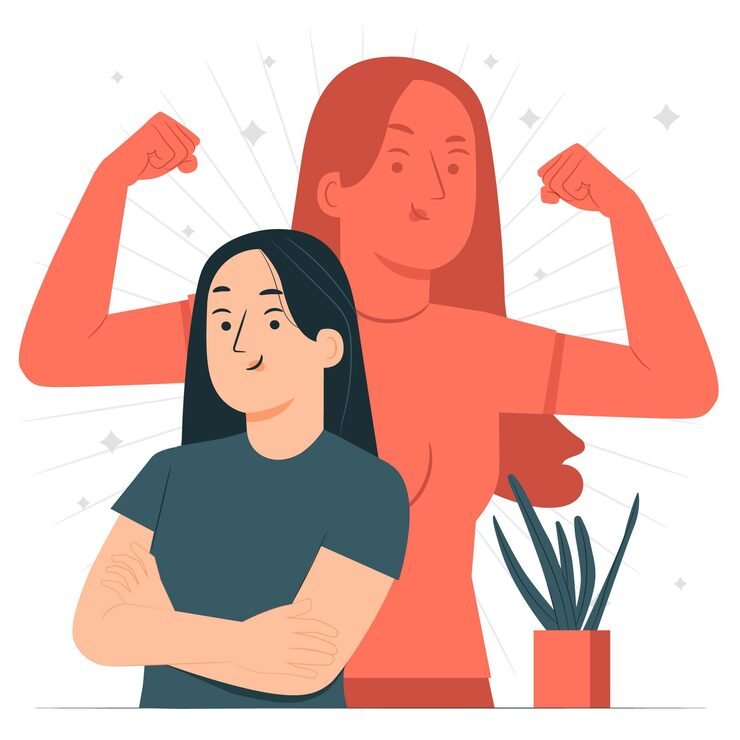
1. Introduction: Building Unshakeable Confidence and Overcoming Fear
Confidence is not something you are born with; it is a skill that you build step by step. Whether it is stage fear, fear of failure, fear of public speaking, or constant self-doubt, fear is the single biggest barrier holding people back from achieving their true potential in personal and professional life. When fear controls your decisions, you stay stuck in your comfort zone and miss out on great career opportunities.
🔔 Don't miss our latest updates!
Tap the bell icon at the top of this channel to turn on notifications.
Overcoming fear and building real self-confidence requires a blend of mindset shifts, psychological strategies, and consistent daily actions. In this comprehensive guide, we will break down proven, practical steps to eliminate self-doubt and build lasting self-esteem. For more self-improvement and life guidance, explore our Sahitarika Personal Growth & Lifestyle Section.
2. Understanding the Root Causes of Fear and Self-Doubt
Before you can overcome fear, you must understand where it comes from. Fear is a natural biological mechanism designed to protect us from danger, but in modern life, it often triggers over imaginary risks:
- Fear of Failure (Imposter Syndrome): The constant anxiety that you are not good enough and will make mistakes.
- Fear of Judgment (What Will People Say): Worrying endlessly about other people’s opinions and criticism.
- Past Negative Conditioning: Past failures, childhood criticism, or rejections that linger in your subconscious mind.
For research-backed insights on mental wellness and human psychology, visit the American Psychological Association (APA) resources.
3. The Exposure Principle: Facing Fear Step-by-Step
Psychologists agree that avoidance feeds fear. The only way to eliminate fear is through gradual exposure:
- Micro-Steps (Desensitization): If public speaking scares you, don’t start with a crowd of 500. Start by speaking up in a 3-person team meeting, then present to a small group.
- Reframe Failure as Feedback: Shift your mindset. Failure is not the opposite of success; it is a necessary part of the learning process.
- The 5-Second Rule: When you feel hesitate to take action (like raising your hand or making a call), count 5-4-3-2-1 and take immediate action before your brain generates fear thoughts.
Understand how human connection builds confidence in our guide Why We Like Someone: Psychology Guide.
4. Daily Habits to Build High Self-Esteem & Body Language
Your mind and body are deeply connected. Changing your physical posture instantly alters your emotional confidence state:
Practical Confidence Boosters:
- Power Posing: Stand tall, roll your shoulders back, pull your chest out, and make firm eye contact. Good body language signals your brain to release lower cortisol and higher testosterone.
- Master Small Daily Wins: Set 3 small achievable goals every morning (e.g., exercise, reading 5 pages, finishing a report). Completing them builds momentum.
- Positive Self-Talk: Replace negative inner dialogue (“I can’t do this”) with empowering affirmations (“I am capable and I will learn”).
Improve your physical health and daily energy with our Body Stamina Improvement Guide and Work Posture Correction Hacks.
5. Overcoming Social Anxiety and Public Speaking Fear
Social anxiety is one of the most common fears. Here is how to navigate social and professional interactions smoothly:
- Shift Focus Outward: Instead of worrying about “How do I look?” or “Am I sounding foolish?”, focus completely on helping, listening to, and engaging with the other person.
- Preparation Beats Panic: Deep preparation eliminates 80% of performance anxiety. Practice your presentation or speech out loud multiple times.
- Controlled Box Breathing: When anxiety strikes, inhale for 4 seconds, hold for 4 seconds, exhale for 4 seconds, and hold for 4 seconds. This calms your nervous system instantly.
Learn more about wellness standards at Mind UK – Mental Health & Confidence Support.
6. Long-Term Skill Mastery & Self-Investment Strategy
Real, unshakeable confidence comes from competence. When you know your craft deeply, fear naturally vanishes:
- Continuous Skill Upgrade: Dedicate 30 minutes daily to learning new professional skills, reading books, or taking courses.
- Physical Fitness: Regular exercise and healthy nutrition boost physical strength, body image, and mental clarity.
- Surround Yourself with Growth Mindset People: Limit time with toxic critics and spend time with supportive, ambitious friends.
For practical life organization, check out our 10 Practical Life Hacks Guide and grooming tips in Natural Skincare Guide.
7. Conclusion: Take Charge of Your Life with Confidence
Overcoming fear is a journey, not an overnight event. True confidence is not the absence of fear; it is the judgment that something else is more important than fear. By taking small daily actions, practicing exposure, maintaining strong body posture, and continuously upgrading your skills, you can build unstoppable self-confidence and live a fearless, fulfilling life.
Frequently Asked Questions (FAQs)
Q1. How can I build confidence fast when feeling anxious?
Practice power posture (standing tall with shoulders back), take 3 deep box breaths, and focus on immediate action rather than overthinking.
Q2. What is the root cause of low self-confidence?
Low self-confidence usually stems from past failures, fear of negative judgment, harsh self-criticism, and lack of preparation/skill in a specific area.
Q3. How do I stop worrying about what other people think?
Understand the “Spotlight Effect”—people are far more focused on their own lives than judging yours. Focus on your values rather than external approval.
Q4. Can body language really boost my self-confidence?
Yes, posture directly influences brain chemistry. Standing tall lowers stress hormones (cortisol) and boosts confidence-inducing mindsets.
Q5. What is the difference between confidence and arrogance?
Confidence is quiet self-assurance and belief in oneself without needing to prove superiority, whereas arrogance stems from insecurity and puts others down.
Q6. How do I overcome the fear of public speaking?
Prepare thoroughly, start speaking in front of small friendly groups, focus on delivering value to the audience, and practice controlled breathing.
Q7. How does exercise help in building self-esteem?
Exercise releases endorphins, improves physical stamina, enhances posture, and gives a sense of accomplishment that boosts mental confidence.
Q8. What is Imposter Syndrome and how do I fight it?
Imposter syndrome is the constant fear of being exposed as a “fraud” despite being capable. Fight it by keeping a list of your achievements and facts.
Q9. How long does it take to become a confident person?
With consistent small actions, daily exposure to micro-fears, and positive self-talk, you will notice mindset shifts within 30 to 60 days.
Q10. Can reading books help in overcoming fear?
Yes, reading self-improvement and psychology books gives you proven mental frameworks, reframes your mindset, and inspires proactive action.